Hydraulic System Troubleshooting for Drilling Rigs

Practical guide by Alwyn Phillips - San Pablo, CA

Introduction

Hydraulic systems are the lifeblood of drilling rigs. When they fail, the whole operation stops. This guide covers the most common hydraulic issues I've encountered in the field and how to diagnose them quickly.
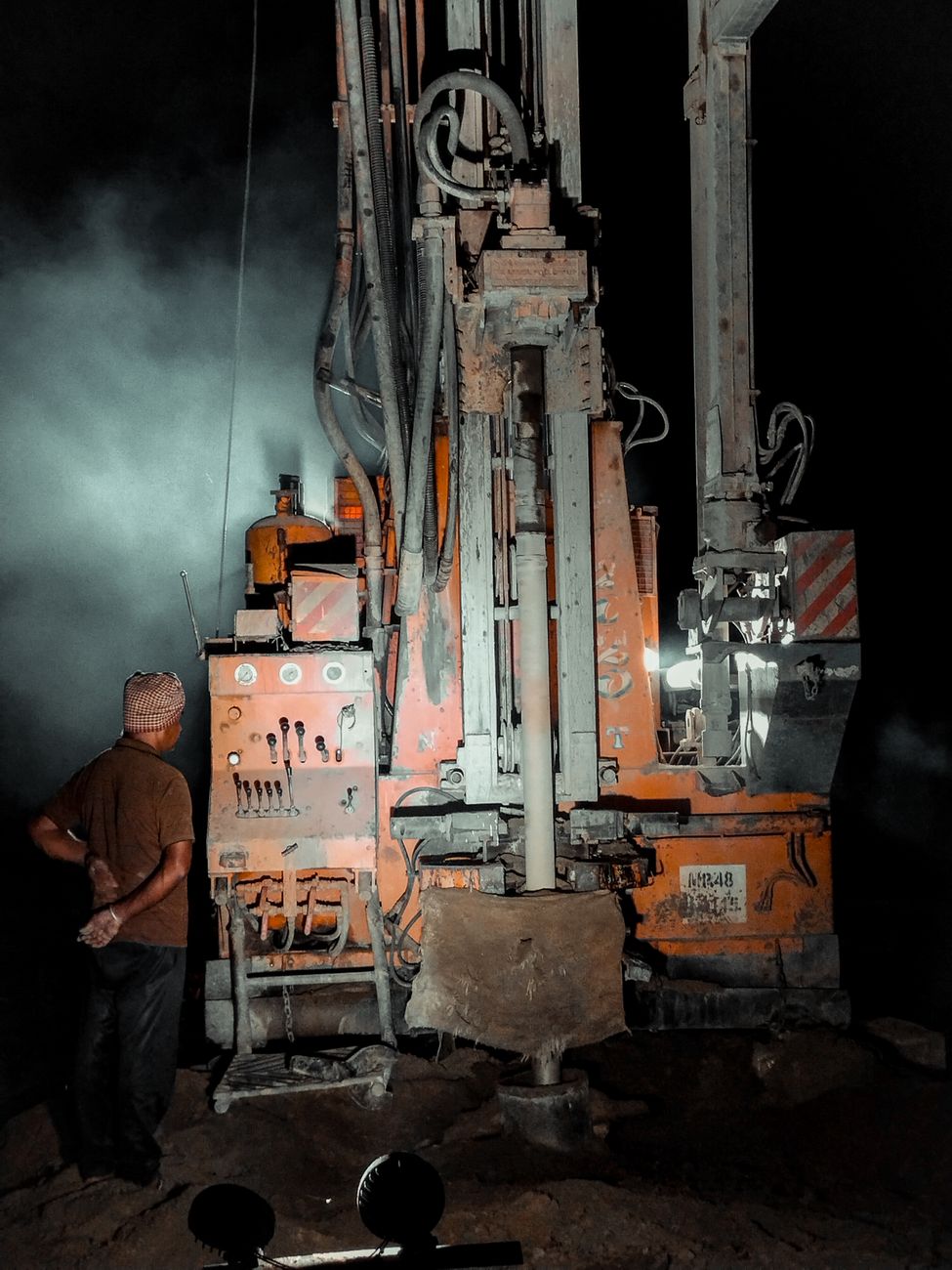
A worker operates a water well drilling rig under illumination during nighttime.

A typical hydraulic drilling rig in operation

Note: Always follow proper safety procedures when working with hydraulic systems. High-pressure fluid can cause serious injury.

Understanding Hydraulic Systems

Hydraulic systems use pressurized fluid to transmit power. In drilling rigs, they control:

Key components include:

Common Hydraulic Problems & Solutions

Symptom Likely Cause Diagnosis Solution
Slow or weak operation Low fluid level or air in system Check reservoir level, listen for air in lines Top up fluid, bleed air from system
Erratic movement Contaminated fluid or worn seals Check fluid condition, inspect for leaks Replace fluid and filters, replace seals
Overheating Excessive pressure or poor cooling Check pressure gauges, inspect cooler Adjust pressure settings, clean cooler fins
No movement Pump failure or blocked valves Check pump operation, test valve function Replace pump or clean/replace valves
Excessive noise Cavitation or worn components Listen for grinding or whining sounds Check fluid level, replace worn parts

Step-by-Step Troubleshooting Process

  1. Visual Inspection

    Check for obvious issues:

    • Fluid leaks under the rig
    • Damaged hoses or fittings
    • Low fluid level in reservoir
    • Loose or damaged electrical connections
    lift, scissor, steel, building, construction, hose, orange, rail, railing, beams, insulation, work, worker, low, angle, hydraulic, platform, lifting, aerial, industrial, maintenance, mobile, machine, elevator, equipment, industry, safety, high, hoist, telescopic, utility, support, mechanical, insulation, insulation, insulation, insulation, insulation, maintenance, maintenance, maintenance, hoist, hoist, hoist, hoist, utility, utility
  2. Check Pressure Gauges

    Compare readings to manufacturer specifications:

    • Normal operating pressure: 2000-3000 psi
    • Maximum pressure: 3500 psi
    • Low pressure indicates pump issues
    • High pressure indicates blockages
  3. Test Individual Components

    Isolate and test each component:

    • Pump: Check flow rate and pressure output
    • Valves: Test for proper opening/closing
    • Actuators: Check for smooth operation
    • Filters: Inspect for clogging
  4. Fluid Analysis

    Check hydraulic fluid condition:

    • Color: Should be clear/amber, not dark or milky
    • Smell: Should not have burnt odor
    • Viscosity: Should flow smoothly, not too thick or thin
    • Contamination: Check for water or particles
    Pro Tip: Keep spare hydraulic fluid on site. Contaminated fluid is the #1 cause of hydraulic failures.

Preventive Maintenance Checklist

Task Frequency Notes
Check fluid level Daily Top up as needed, use correct fluid type
Inspect hoses and fittings Weekly Look for leaks, cracks, or wear
Check pressure gauges Daily Ensure readings are within normal range
Inspect filters Monthly Replace if clogged or dirty
Test safety valves Quarterly Ensure proper pressure relief function
Full system inspection Annually Check all components, replace worn parts
Safety First: Always relieve system pressure before performing maintenance. Use proper lockout/tagout procedures.

Bay Area Resources

For San Pablo and Bay Area rig operators:

I mentor new workers in the area - hit me up if you need hands-on training!